
Understanding the importance of the inclusion of tangible or intangible cultural property on the UNESCO World Heritage List in a few words
Understanding the importance of the inclusion of tangible or intangible cultural property on the UNESCO World Heritage List in a few words
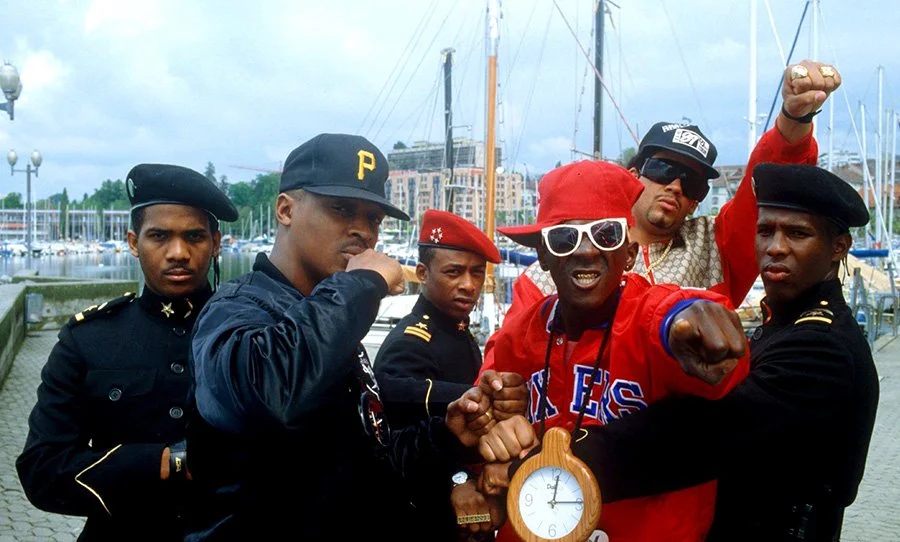
Image: Public Enemy
For some years now, I have been constantly asked why this or that musical genre from Africa was not included in the UNESCO World Heritage List. I will attempt to answer this question briefly by enumerating a few points:
1- The United Nations is not obliged to intervene if it has not received the agreement of the concerned member states.
2- This means that in reality the major responsibility lies with the representatives of the member states and their active lobbying of the organization to get a nomination application put together for the given cultural property.
3- It is a process that requires investigation into the merits of the application. For example: can we accept the inclusion of Afrobeat in the world heritage of humanity when this musical genre is only an extension of the original Ghanaian highlife?
4 - This topic makes me observe the black American entertainment industry in awe because nothing is protected. The United States left UNESCO under Ronald Reagan.
5- This explains why African Americans are constantly complaining about cultural appropriation, which is nothing more than a form of economic predation through identity. Appropriating the work of others and generating income from it without giving back is a form of theft. Short put, not giving back to Caesar what belongs to Caesar and depriving entire communities of enjoying the income linked to their history. A typical example is the case of rock and its origins; an illustration that always arouses my fears for the genre of hip hop which has become mainstream.

Author